Why can two Del Mar homes on the same street sell for very different numbers? Often, it comes down to how the ocean fills the frame from your windows and terraces. If you are weighing a purchase or planning a sale, understanding what truly drives ocean-view value helps you move with confidence. In this guide, you’ll learn how view quality, permanence, risks, and marketing combine to set the premium in Del Mar and what you can do about it. Let’s dive in.
Why Del Mar views cost more
Scarcity and lifestyle drivers
Del Mar is a high-value, low-inventory coastal market. The coastline is tightly managed, and buildable land is scarce. That scarcity pushes demand for ocean-facing properties well above inland alternatives.
Buyers also come for lifestyle. You value beach access, a mild coastal microclimate, recreation, and proximity to Del Mar Village, restaurants, and nearby outdoor attractions. The result is a buyer pool willing to pay for immediate visual access to the water.
Micro-markets shape premiums
Not all Del Mar locations are equal. The village/downtown area, coastal bluffs and Shores, hillside properties, and inland neighborhoods near Camino del Mar or Lomas Santa Fe each create their own context. The same view can command different premiums depending on whether you prioritize walkability and energy, or privacy and seclusion. Understanding the micro-market is key when comparing sales.
What creates a top-tier view
Panoramic vs partial outlook
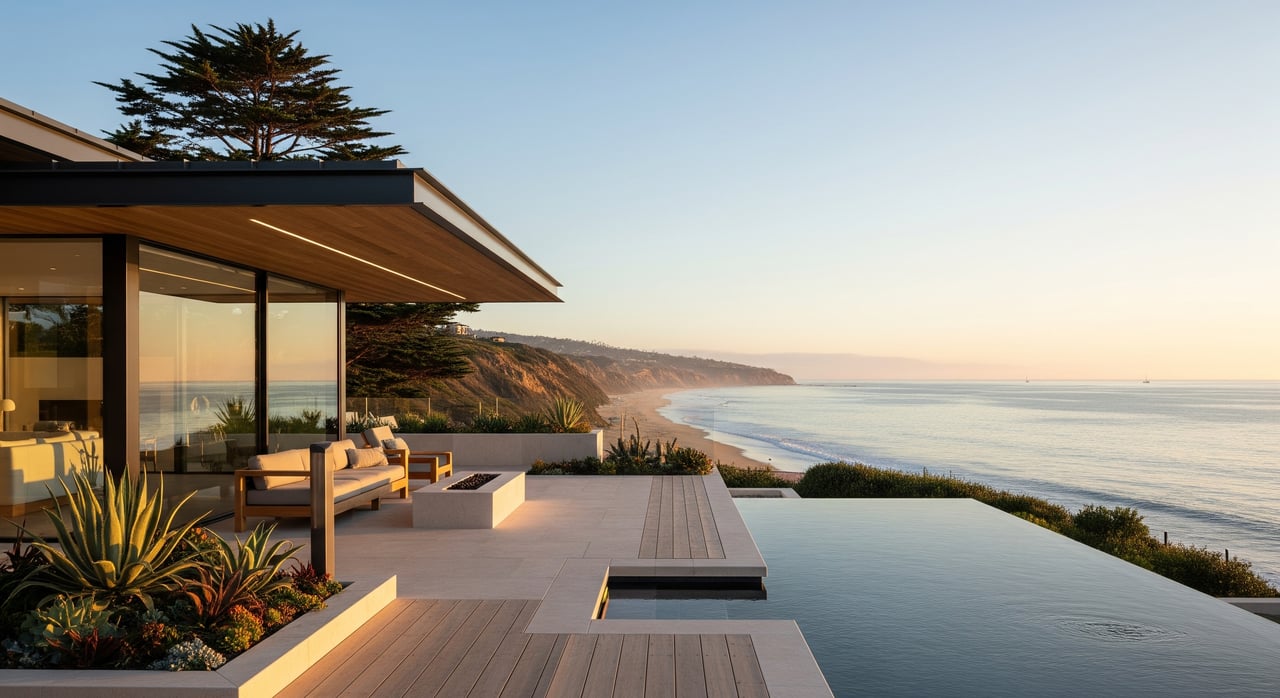
View quality drives the largest part of the premium. Unobstructed, sweeping panoramas of the ocean and coastline command top pricing. Partial or filtered glimpses over rooftops or through trees are worth less. Distance and scale matter too. Close, expansive coastal scenes that show surf and shoreline tend to be perceived as more valuable than distant slivers.
Permanence and protections
Buyers pay more when they believe the view will last. If future development or tree growth could block the view, the price reflects that risk. Protections that support permanence include recorded view or scenic easements, restrictive covenants, open-space buffers, and municipal view corridor safeguards. In their absence, buyers typically discount.
Orientation and usability
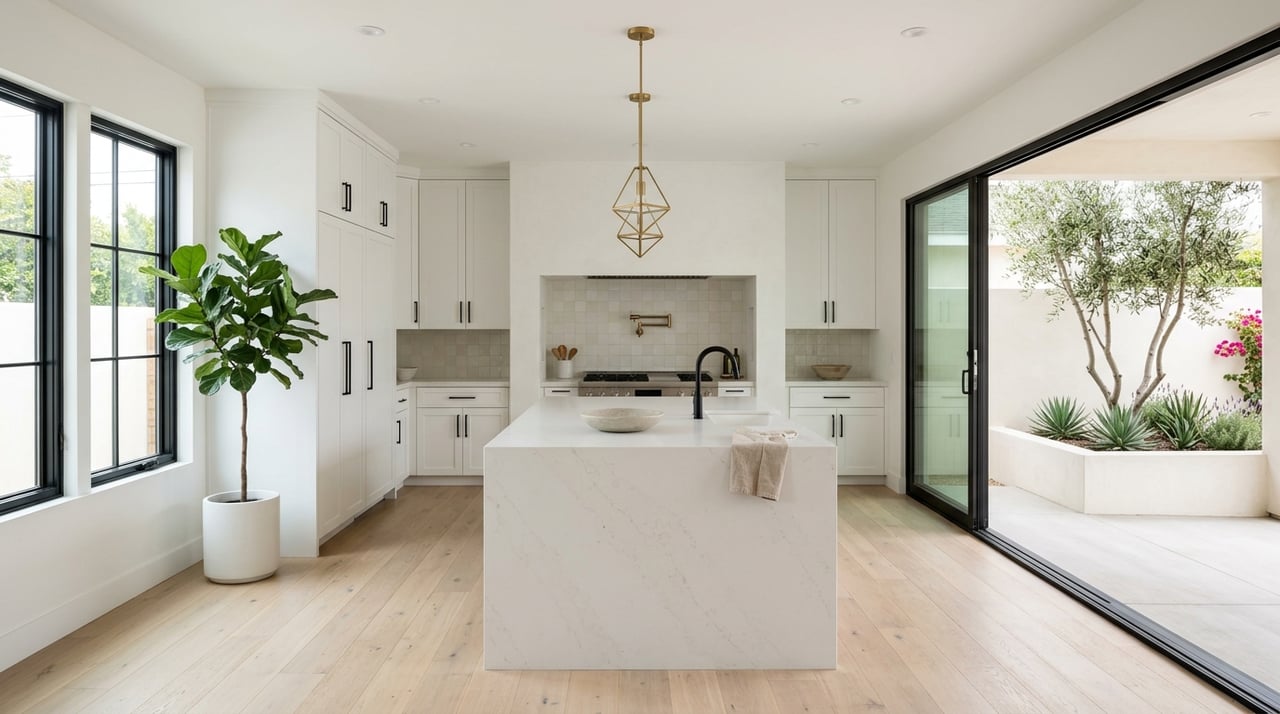
A view you can live in every day drives stronger value than a view you only glimpse. Homes that orient primary rooms, like the living area, kitchen, and primary suite, toward the ocean, and that feature usable outdoor spaces such as decks and terraces, convert the view into a daily experience. Large windows and indoor-outdoor flow help you feel the water from more of the home.
Lot and design choices
Lot depth and width that preserve sightlines amplify value, especially when they allow generous outdoor living areas facing the ocean. Design choices matter too. Window placement and glass area can elevate a home from a good view to a showpiece.
Walkability and access
Views plus convenience often win. If you can enjoy a sweeping ocean outlook and still walk to the beach, Del Mar Village, or restaurants, you increase the premium compared to a similar view that is harder to access.
Market timing
Premiums are not static. In periods of low inventory or strong high-net-worth demand, the relative premium for ocean-facing property typically rises. In softer conditions, the market may narrow the gap.
What can cap the premium
Coastal hazards
Erosion, bluff instability, storm surge, and sea-level rise are material concerns along the Del Mar coast. Homes on or near bluffs and low-lying beach parcels face added risk and scrutiny. If a property is in a hazard zone or shows shoreline or cliff instability, buyers often reduce what they will pay and lenders and insurers may adjust terms.
Insurance and lending
Coastal insurance can be costlier and more complex. Lenders weigh marketability and risk, and some buyers factor potential future increases in premiums or mitigation costs into offers. These realities can trim the net view premium.
Future development risk
A great view that can be blocked is fragile. If adjacent parcels have height potential and there is no recorded view easement or binding restriction, buyers discount for the chance of obstruction. Local zoning and permitting context matter.
Salt and upkeep costs
Salt air, wind, and sun exposure increase maintenance. Coastal-grade materials, frequent window cleaning, metal corrosion mitigation, and exterior repairs add ongoing costs that some buyers subtract from what they are willing to pay.
Diminishing returns
There is a point where “even more view” delivers only a small incremental lift. Moving from a partial to an expansive panoramic view can be a big jump in value. Moving from great to slightly better panoramic often adds less.
How pros price views
Comparable sales first
Appraisers and agents start with comparable sales. They look for nearby properties with similar view quality, location, and home characteristics, then make adjustments for differences. There is no universal percentage for a view adjustment. Market conditions and the specifics of each view drive the math.
Evidence that supports value
Professionals strengthen a premium by citing recent sales with similar views, referencing recorded easements or open-space buffers, noting permits or development limits on nearby lots, and checking prior sales history if a view has changed over time. Documentation builds credibility and can help the appraisal support the contract price.
When premiums underperform
If the buyer pool is thin or conditions are soft, a seller may not realize the theoretical premium a view could command in a hotter market. The closing price reflects what the marginal buyer is willing and able to pay at that time.
Buyer due diligence
Use this checklist before you write an offer on a view property in Del Mar:
- Confirm view permanence and development risk:
- Check zoning and height limits for adjacent parcels.
- Search for recorded view or scenic easements and deed restrictions.
- Ask city planning about pending permits or projects nearby.
- Assess coastal and geotechnical risk:
- Obtain geotechnical reports for bluff or slope properties.
- Review historical bluff erosion and any shoreline stabilization history.
- Verify FEMA flood zone designation and local sea-level rise maps.
- Understand insurance and financing:
- Get quotes for homeowner and coastal hazard insurance.
- Confirm loan options and lender requirements for the location.
- Validate pricing with comps:
- Review recent sales with similar view quality and neighborhood context.
- Discuss likely appraisal adjustments with a local appraiser or agent.
- Review title and encumbrances:
- Check for easements, utility corridors, or rights-of-way that affect sightlines.
- If applicable, review HOA/CC&Rs:
- Look for rules on tree management, exterior changes, and view-related restrictions.
Seller playbook to capture value
- Preserve sightlines:
- Trim and manage vegetation and remove visual clutter. Keep the key viewing corridors pristine for photos and showings.
- Elevate usable view spaces:
- Stage decks, terraces, and the main view-facing rooms. Highlight indoor-outdoor flow and showcase sunrise or sunset moments if applicable.
- Document permanence:
- Gather recorded easements, open-space buffers, bluff setbacks, or city confirmations that support long-term view stability. Put them in buyer-friendly form.
- Be transparent on hazards:
- Provide disclosures and any geotechnical studies or mitigation records. Credible documentation builds trust and can protect your premium during negotiations and appraisal.
- Align price with the market:
- Use recent comps with similar view quality and micro-market context. Adjust based on current inventory and demand.
- Leverage high-end marketing:
- Use polished visual assets that frame the ocean from key rooms and outdoor areas. Consider aerial photography (with local compliance) to show orientation and proximity to the beach and village. If timing and scope fit, explore Compass Concierge to optimize presentation before launch.
Local context that matters
- Coastal regulation: Many projects near the shoreline fall under the California Coastal Act and the City of Del Mar’s certified Local Coastal Program. Permits influence what can be built next door, which can affect your view’s permanence.
- Bluff protection and setbacks: Parts of Del Mar sit on coastal bluffs with specific setback and stability rules. These rules can shape both buildability and long-term risk.
- Flood and sea-level considerations: Low-lying parcels may fall within FEMA flood zones or areas with sea-level rise implications, which can affect insurance and lending.
- No automatic right to a view: In California, there is no universal statutory right to an unobstructed view. Protections depend on recorded easements, covenants, HOA rules, local ordinances, or individual agreements.
Putting it all together
The premium for an ocean view in Del Mar is the sum of three things: the quality of what you see, the confidence that you will keep seeing it, and the cost and risk of enjoying it long term. If you are buying, prioritize permanence and usability, then price in hazards and maintenance. If you are selling, stage the lifestyle, document the protections, and price against true peers, not just nearby addresses.
When you want a sharp read on value or a strategy to secure or maximize a view premium, connect with a local expert who knows Del Mar’s micro-markets, coastal rules, and luxury buyer expectations. For personalized guidance and a plan tailored to your property, reach out to Bayley Bachiero.
FAQs
How much more will I pay for an ocean view in Del Mar?
- There is no single figure. Premiums vary based on view quality, permanence, neighborhood context, and market conditions. Unobstructed panoramic views typically command higher premiums than partial or fragile views.
Can my ocean view be legally protected in California?
- Yes, but only if protections exist. Recorded easements, covenants, HOA rules, or specific local ordinances can protect view corridors. There is no universal statewide right to an unobstructed view without such protections.
Do coastal hazards reduce ocean-view premiums in Del Mar?
- Yes. Erosion, bluff instability, flood mapping, and sea-level rise concerns can lower demand, raise insurance and mitigation costs, and reduce market value compared to otherwise similar homes.
How do appraisers account for ocean views in pricing?
- Appraisers rely on comparable sales and make market-based adjustments for view quality and context. Strong evidence from recent sales with similar views helps support a premium in appraisal.
What should I verify before offering on a Del Mar view home?
- Confirm zoning and height limits next door, check for recorded view easements, review hazard and geotechnical information, obtain insurance quotes, and validate pricing with recent comps of similar view quality.
As a seller, what adds the most to my view premium?
- Preserve and showcase the view from primary rooms and outdoor spaces, document any view protections, disclose hazards with credible reports, and price against true peer comps. Strong presentation and buyer confidence protect your premium.