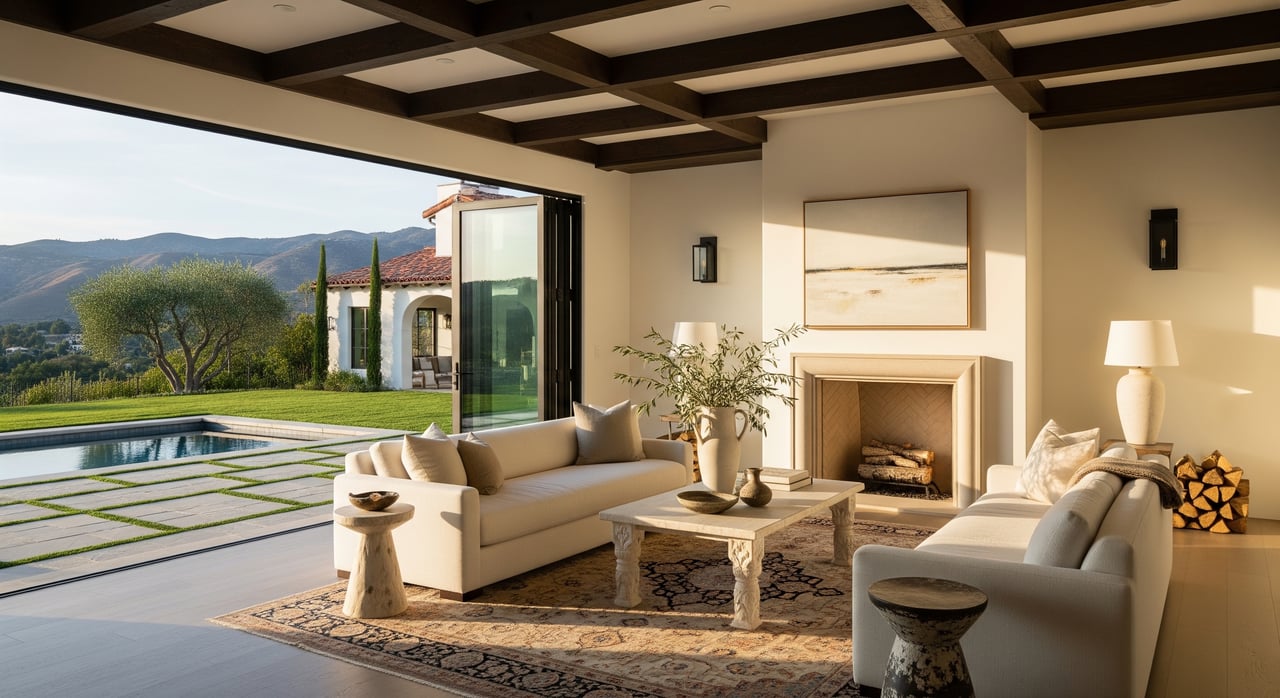
Getting an Rancho Santa Fe estate market-ready is not the same as staging a standard home. You are selling privacy, scale, and a resort lifestyle. That takes a different playbook. In this guide, you will learn how estate-level staging creates clarity for buyers, speeds up your timeline, and strengthens your negotiating position. Let’s dive in.
What estate-level staging means
Rancho Santa Fe is known for grand lots, guesthouses, equestrian facilities, and indoor–outdoor living. Estate-level staging aligns with that scale and shows a complete lifestyle across multiple structures and acres.
- Properties often feature large great rooms, tall ceilings, spa-like primary suites, extensive terraces, and pool complexes.
- Buyers value privacy, security, seamless outdoor flow, and thoughtfully designed amenities.
- Your staging should make these features feel effortless and move-in ready.
Why staging matters in Rancho Santa Fe
Luxury supply is limited, and buyers compare only a few estates at a time. Your presentation must stand out on lifestyle, not just price per square foot.
- Staging reduces buyer friction. Big homes can feel overwhelming. Clear, well-defined spaces help buyers imagine daily life and entertaining.
- Strong presentation supports faster decisions. Perceived readiness and cohesive design drive confidence.
- In this tier, you are selling aspiration. Every scene should reinforce why this estate is the right choice.
Core principles for large estates
Scale and proportion
Under-scaled furnishings look lost in voluminous rooms. Use larger seating groups, wide rugs, oversized art, and multi-point lighting so each space feels intentional and luxurious.
Lifestyle vignettes
Stage distinct experiences: formal living, media lounge, dining room, breakfast nook, library or office, gym or spa, wine tasting, and multiple outdoor rooms. If equestrian, showcase a pristine tack room and a tidy demonstration area.
Indoor–outdoor flow
Buyers expect it. Style thresholds and terraces to match interior zones. Include coordinated seating, rugs, planters, and soft lighting that carry the eye outside.
Neutral and aspirational
Let high-end finishes shine. Keep furniture and art refined and neutral so millwork, stone, and views take center stage. Edit personal items and collections.
Lighting and sight lines
Layer ambient, task, and accent lighting. Protect views and key features like fireplaces and art walls. Avoid blocking sight lines with bulky pieces.
Art and accessories
Use art proportional to the walls. If the owner’s collection is undersized, consider art rental to fill large volumes with tasteful scale.
Condition and systems
Staging pairs with visible maintenance. Provide clean service areas and documentation for HVAC, pool equipment, irrigation, and other systems. This reduces perceived risk.
High-impact areas to stage
Primary suite and baths
Create a serene retreat. Crisp linens, balanced nightstands, and a seating area if space allows. Bathrooms should feel spa-caliber and spotless.
Great room and kitchen
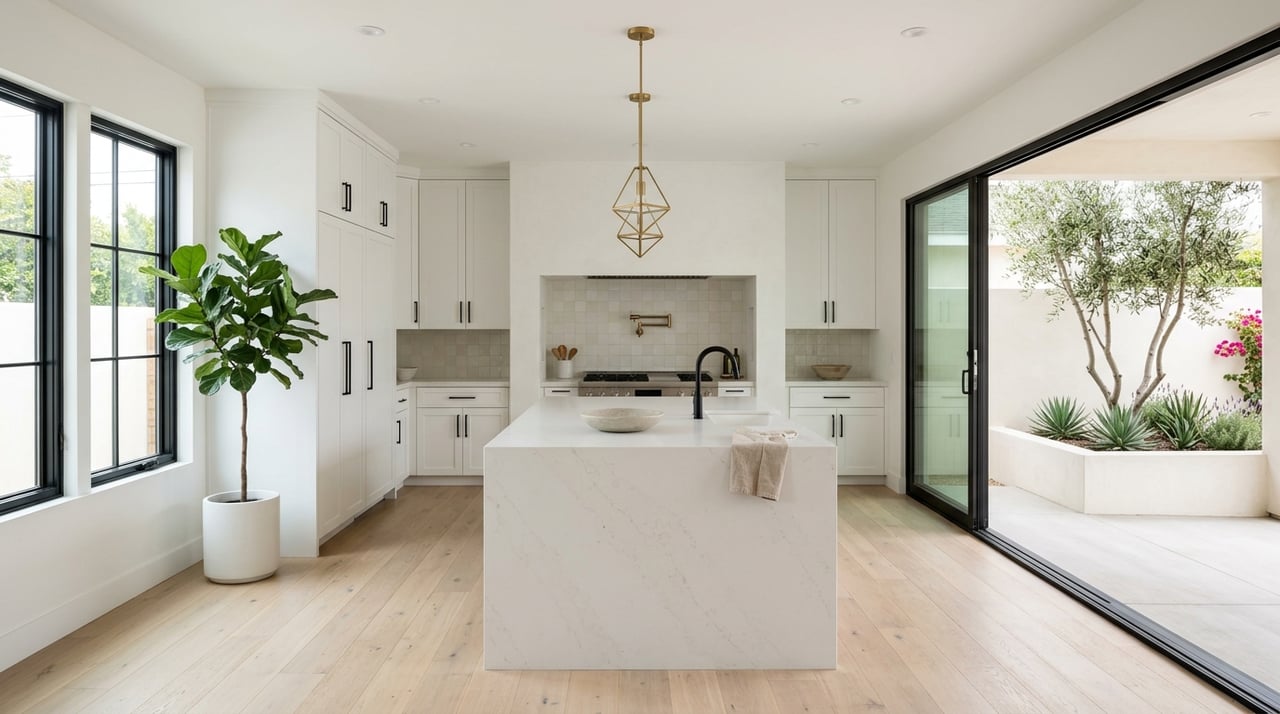
Define multiple seating zones. Highlight entertaining flow and premium appliances. Show casual dining and bar or coffee stations.
Formal living, dining, library
Use large rugs, complete seating groups, and art with presence. Ensure chandeliers and fixtures match ceiling heights.
Guest suites and staff spaces
Present them as polished and functional. Clean, bright guest suites and organized support areas suggest a well-run estate.
Amenities that sell
Stage the gym, theater, office, wine cellar, and tasting room to show clear purpose and high usability.
Exterior presentation that sells
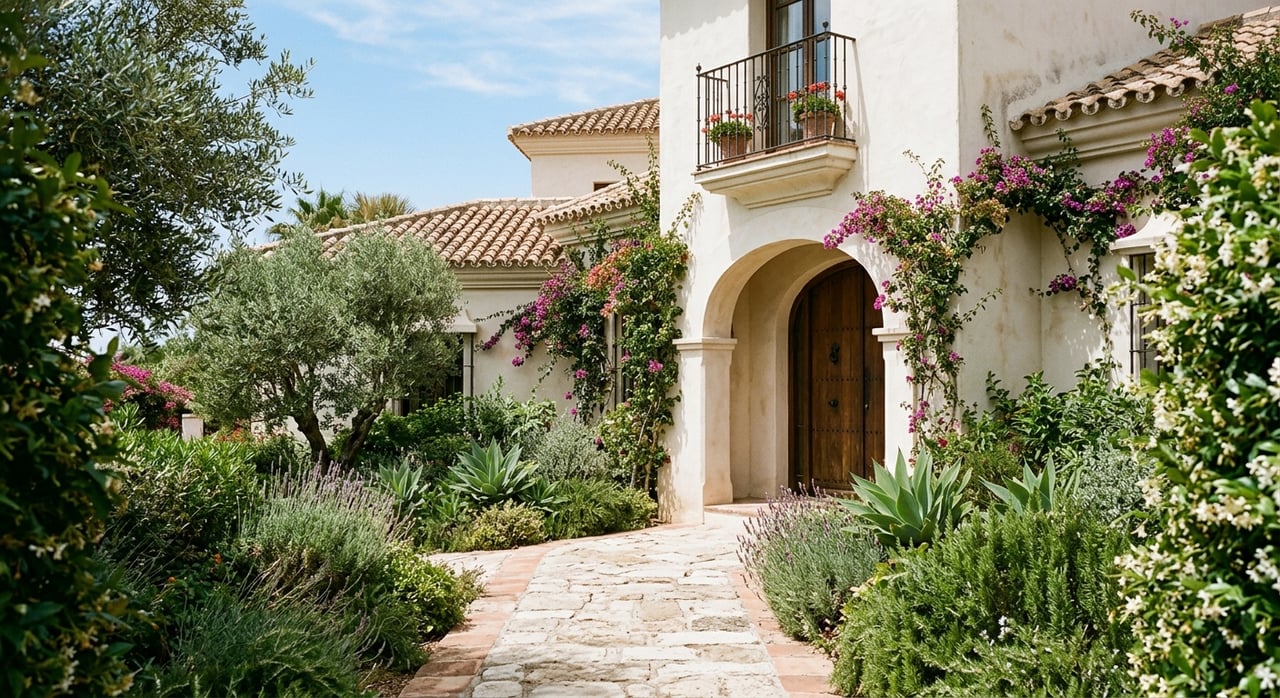
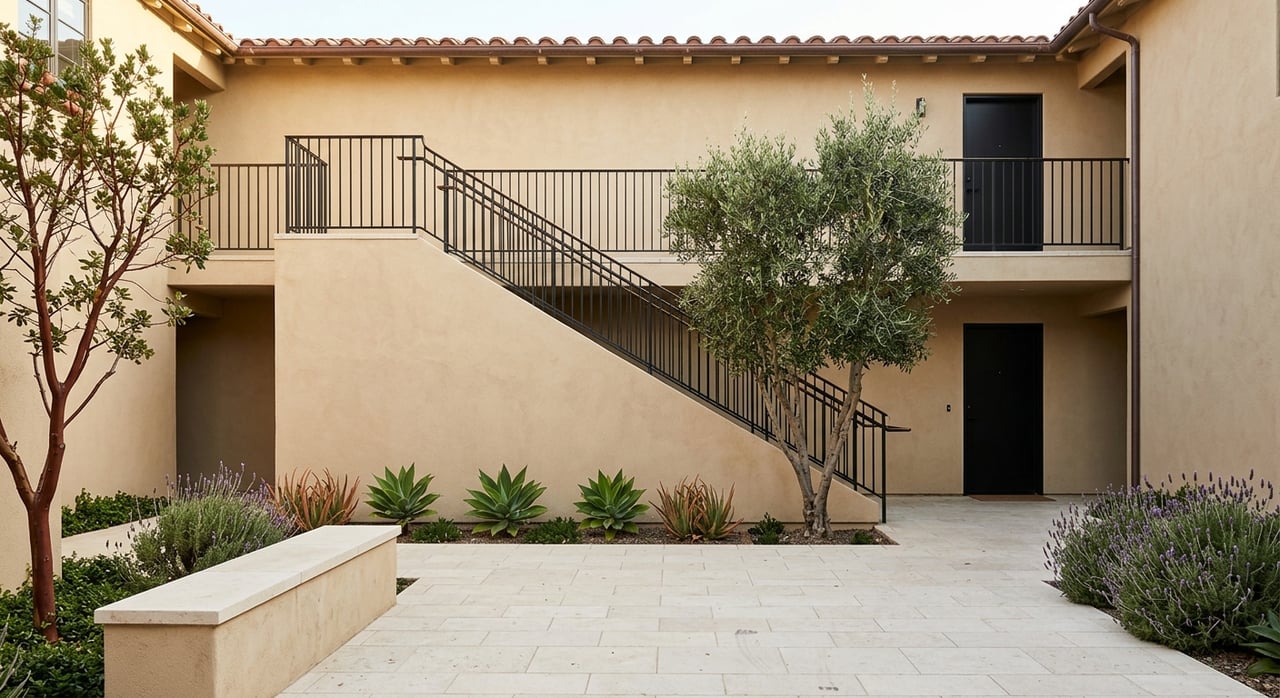
Your arrival sequence sets the tone. The grounds should look well maintained and easy to own.
- Drive and entry: manicured hedges, cleared lines of sight, potted specimen plants, and evening pathway lighting.
- Pool and terraces: full seating groups, towels and umbrellas, and working landscape lighting for twilight showings.
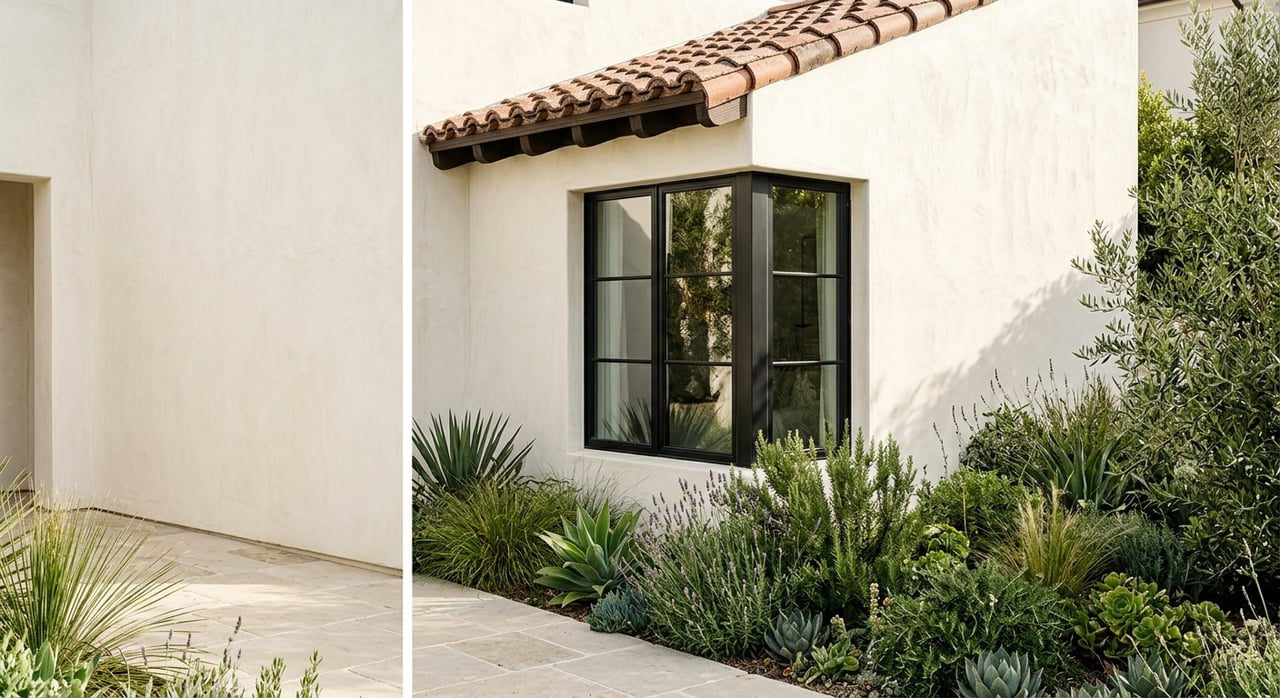
- Gardens and trails: pruned trees, fresh mulch, repaired hardscape, and seasonal color in planters.
- Equestrian zones: tidy corrals, raked arenas, staged tack and blankets, and a clear, signed path to facilities.
Before making exterior changes or adding temporary installations, confirm CC&Rs, HOA rules, architectural review, and any county permits if applicable.
Marketing assets that elevate
High-end buyers rely on visuals. Invest in complete assets that match the property’s scale.
- Professional photography, including twilight and well-lit interiors.
- Aerial and drone imagery to show acreage, guesthouses, paddocks, and view corridors.
- Accurate floor plans with dimensions, plus a 3D tour for remote buyers.
- Short lifestyle videos that reveal indoor–outdoor flow and amenities.
Ensure photographers and drone pilots carry proper insurance and follow FAA guidelines for aerial work.
The right vendors and contracts
- Stagers with estate experience and outdoor expertise.
- Lighting designers and licensed electricians for large interiors and landscape lighting.
- Landscape contractors for irrigation fixes, plant replacement, and hardscape touch-ups.
- Art consultants or rental houses for overscale pieces.
- Photographers and drone pilots with a luxury portfolio.
In contracts, specify scope, delivery and pickup windows, storage for owner items, liability and damage terms, and replacement costs.
Timeline and showings
- Planning: expect 2 to 4 weeks to scope, select inventory, and coordinate any repairs. Larger landscape or structural work can extend this.
- Installation: 1 to 3 days for a full estate with a professional crew. Allow extra time for hardscape or garden upgrades.
- Showings: schedule limited-access, private appointments. Secure valuables. Coordinate staff to open and close systems and ensure lights, pools, and features present perfectly.
Budget and funding options
Estate-scale staging and prep often fall in the low five-figure to six-figure range, depending on size and scope. Targeted refreshes cost less and can still deliver meaningful impact.
You can pay out of pocket or consider a brokerage program that fronts approved pre-listing costs, such as Compass Concierge, and is repaid at closing. Terms, eligible services, and availability vary by region, so confirm details locally and review the agreement before enrolling.
Measuring impact and ROI
Track what matters so you can evaluate results with confidence.
- Days on market compared to nearby estates.
- List-to-sale price ratio.
- Number of qualified showings and offers.
- Time to first serious offer and contingency rates.
- Marketing reach for staged visuals, including video and 3D tour engagement.
Industry research often finds staged homes sell faster and may achieve stronger pricing, though results vary by property and market. Use recent Rancho Santa Fe comps to set expectations and to compare outcomes.
A simple decision checklist
- Identify the top-impact zones: primary suite, great room and kitchen, main terraces and pool, and the arrival sequence.
- Create a staging plan focused on scale, lighting, and indoor–outdoor flow.
- Address maintenance and document systems so buyers feel at ease.
- Build your vendor team and finalize contracts and timelines.
- Produce premium visuals and launch with strong marketing.
- Measure engagement and adjust quickly if needed.
Avoidable mistakes
- Using furniture that is too small for the rooms.
- Over-personalized decor that distracts from finishes.
- Ignoring exterior and equestrian areas that tell the lifestyle story.
- Weak lighting that flattens high ceilings and art walls.
- Skipping system documentation that buyers expect at this level.
Ready to position your estate for a faster, higher-confidence sale? For a tailored staging and prep plan that fits your goals, connect with Bayley Bachiero for a private consultation.
FAQs
Do Rancho Santa Fe estates always need full staging?
- Not always. Many occupied estates win with targeted staging that fills scale gaps, edits personal items, and elevates outdoor living areas.
How long does estate staging take from start to finish?
- Plan on 2 to 4 weeks for scoping and selections, plus 1 to 3 days for installation. Larger landscape or repair work can extend this timeline.
Will staging hide issues with systems or maintenance?
- No. Staging improves presentation but does not replace disclosures or necessary repairs. Buyers will still inspect major systems.
What should I do with valuable art and collectibles during showings?
- Remove or store valuables and use rental art if needed for scale. It protects your items and maintains visual impact.
How can I measure staging ROI on my estate?
- Track days on market, offer count, and final price versus comps. Monitor engagement on photography, video, and 3D tours to gauge buyer response.