Trying to decide between waking up to the sound of the surf or spreading out on a larger lot with room to grow? In Encinitas, both options deliver a world-class lifestyle, but the day-to-day experience and long-term value play out differently. You want clarity before you invest. This guide breaks down lifestyle, microclimate, permitting, insurance, and value so you can choose what actually fits how you live. Let’s dive in.
Oceanfront and village-core: what you gain
When you buy near the coast in Old Encinitas, Leucadia, or Cardiff, you buy daily access to the beach and a walkable village rhythm. Addresses near Moonlight State Beach and Swami’s put you close to sand, surf, and scenic overlooks, which many buyers consider unmatched lifestyle value. Explore the area’s beach lineup and access points in this overview of Encinitas beaches to see how each spot feels on a typical weekend. Get the beaches overview here.
To maximize views on narrower coastal lots, many homes build up, not out. You often see vertical layouts with large windows and view decks to capture the Pacific. Streets closer to Coast Highway 101 tend to prioritize walkability, dining, and the scene over big yards. Expect tight lots, greater design constraints, and a premium price per square foot for blue-water exposure.
Inland neighborhoods: space, privacy, and options
If you want more interior square footage, a larger yard, and room for future amenities like a pool or ADU, inland pockets such as Olivenhain, Encinitas Ranch, and New Encinitas deliver. Encinitas Ranch zoning illustrates how planned inland areas often require larger lots, with single-family categories showing minimums in the 4,000 to 8,000 plus square foot range. Review example standards in the city code to understand typical footprints and densities. See Encinitas Ranch lot standards.
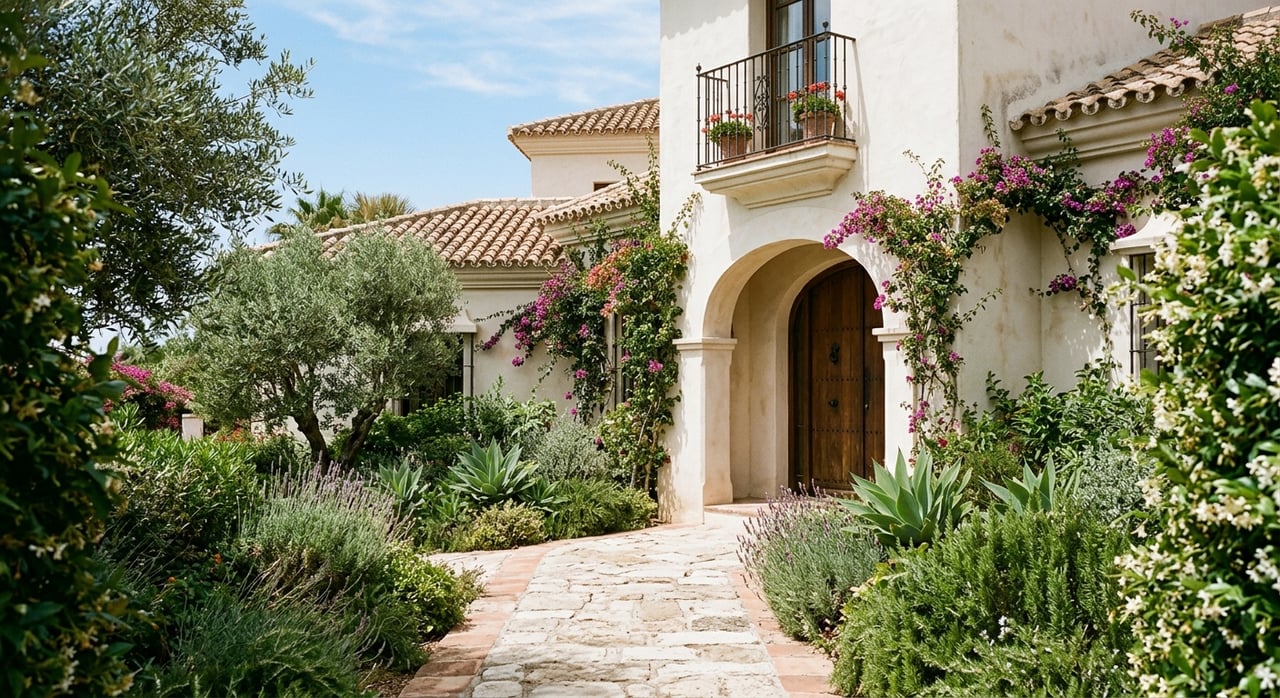
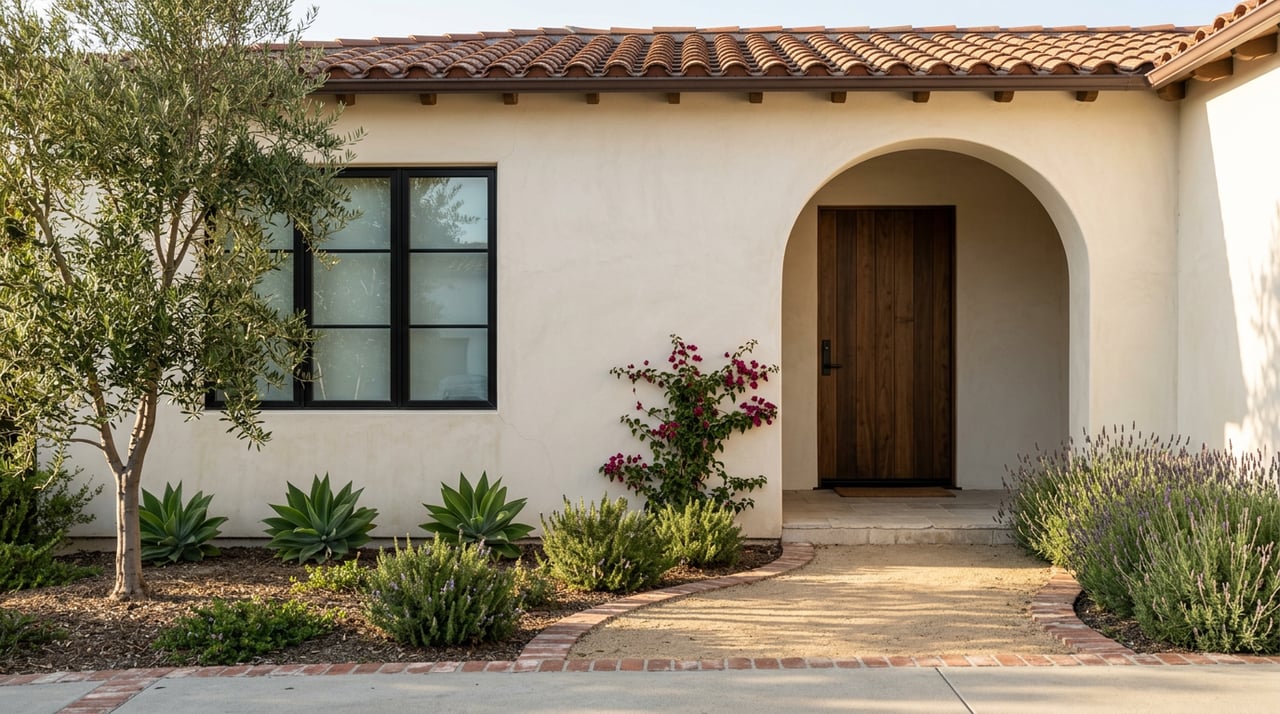
Olivenhain and some semi-rural pockets can offer even bigger parcels with privacy and a quieter feel. Architecture inland leans to wider floor plates and more single-story options, often in Mediterranean, Spanish, or ranch styles. The tradeoff is drive time to the beach and fewer walkable, mixed-use blocks for errands.
Microclimate: sun, clouds, and outdoor living
The Pacific moderates coastal temperatures. In late spring and early summer, a shallow marine layer often keeps the beach blocks cooler and cloudier while inland warms up. If patio sunshine and pool heating matter to you, understand how this pattern affects each address you are considering. The National Weather Service explains how marine layers form and clear in Southern California. Read the marine layer explainer.
In practice, this means coastal homes feel breezier and milder, while inland homes tend to deliver more consistent sun and higher daytime highs. Test your top blocks at different times of day to confirm the feel you want year-round.
Coastal rules, bluff health, and permits
If you are eyeing bluff-top or beach-adjacent property, factor in Encinitas’ Local Coastal Program and Municipal Code. Coastal bluff setbacks, often guided by a 40-foot standard with site-specific analysis, limit what you can add and where. Most bluff-top projects will require a Coastal Development Permit and a geotechnical report. Start by reviewing the city’s coastal provisions and how they apply to additions or stabilization work. Review Encinitas coastal regulations.
Regional planning also addresses sea-level rise with efforts like beach nourishment and lagoon projects. These investments help, but they do not remove long-term exposure for low-lying or bluff-toe areas. Use official resources and planning documents to understand scenario ranges before you write an offer. See the San Diego region sea-level rise appendix.
Ownership costs: insurance and maintenance
Flood insurance rules have changed under FEMA’s Risk Rating 2.0, which prices policies at a more property-specific level. Some coastal or lower-elevation homes will see higher premiums and lenders may require coverage. Get quotes early in your search to avoid surprises and to compare true monthly costs between ocean-close and inland options. Learn how Risk Rating 2.0 affects pricing.
Coastal homes also face salt-air and storm exposure. Expect more frequent exterior painting, attention to railings and metal hardware, and proactive drainage and slope care. A coastal-experienced contractor can help you build a 5 to 10 year maintenance plan so you are not guessing. See common coastal maintenance considerations.
Access, walkability, and daily flow
Encinitas has the COASTER commuter rail station downtown and local BREEZE bus routes that connect inland neighborhoods to the coast. It is a useful option for some commutes, but many daily errands still favor a car, especially inland. You should test your typical routes at peak hours to see how they feel in real time. Review NCTD transit projects and context.
Walkability varies widely by block. Core Leucadia and Old Encinitas streets near the 101 often score well, which supports a park-once lifestyle for food, coffee, and errands. Use a Walk Score snapshot to compare. Check a Leucadia Walk Score example.
Value patterns: what your dollar buys
City-level snapshots in early 2026 showed Encinitas with a typical home value around 1.82 million dollars, with the coastal 92024 zip tracking higher. Neighborhood examples followed a familiar pattern: Leucadia at a higher price per square foot, Olivenhain offering more land and interior space at a lower per-square-foot number. These are directional guides only. Small sample sizes, especially for oceanfront, can skew medians, so rely on live, like-for-like comps.
How to frame price comparisons
- If ocean view and daily beach access are your top goals, plan for a premium price per square foot, smaller yards, and more complex coastal due diligence.
- If space, privacy, and future expansion are priorities, inland pockets often deliver more house and lot for the same or slightly lower total price, with simpler permitting for typical yard improvements.
- Always compare similar properties. Match view with view, lot size with lot size, and condition with condition.
Quick fit guide
- Choose oceanfront or near-coast if you want daily surf checks, walkable dining and shops, and you are comfortable with tighter lots, coastal rules, and higher ongoing maintenance.
- Choose inland if you want a larger yard, a pool or sport court, more privacy, and the flexibility for ADUs or multi-car garages, and you are fine driving to the beach.
Smart due diligence checklist
- Confirm whether a property sits in a Coastal Bluff Overlay or other coastal zone and pull prior Coastal Development Permits and geotechnical reports. Review city coastal code
- Pull FEMA flood maps, get both NFIP and private flood quotes, and understand Risk Rating 2.0 impacts for the address. See an overview of Risk Rating 2.0
- Ask for a maintenance log and have a coastal-experienced inspector or contractor price likely 5 and 10 year items. Read about common coastal prep
- Compare price per square foot and lot size rather than headline price alone; use live, like-for-like comps.
- Walk your target blocks at the times you will use them. Use Walk Score as a screen, then verify on foot. Check a Walk Score example
Schools and district notes
Elementary schools in Encinitas feed into the San Dieguito Union High School District. Boundaries can change. Verify school assignment by address using official sources before you write an offer. Find state education resources here.
Ready to compare on the ground?
If you are weighing oceanfront or inland, you deserve a clear, data-informed path to the right home. I help you see the tradeoffs block by block, target off-market opportunities, and negotiate with precision. For sellers, Compass Concierge and a polished go-to-market plan maximize presentation and leverage. For buyers, private networks and targeted outreach unlock options beyond the open market. If you want a fast, discreet, and strategic result, let’s talk. Reach out to Bayley Bachiero to get started.
FAQs
What are the biggest day-to-day differences between oceanfront and inland Encinitas?
- Near the coast you get walkability and instant beach access with tighter lots, while inland you trade proximity for larger yards, privacy, and expansion options.
How does the marine layer affect home use in Encinitas?
- Coastal blocks stay cooler and cloudier in late spring and early summer, while inland areas warm up more, which can affect patio sun, pool use, and solar exposure. Learn how marine layers work
What coastal rules should I know before buying near a bluff?
- Expect bluff setbacks, site-specific geotechnical reports, and Coastal Development Permit requirements that limit additions and shape design. Review Encinitas coastal rules
Do I need flood insurance for a coastal Encinitas home?
- Lenders may require it based on property-specific risk. Under Risk Rating 2.0, premiums vary by address, so get quotes early to compare true monthly costs. See the policy overview
What extra maintenance should I plan for in ocean-close homes?
- Budget for more frequent exterior painting, corrosion-resistant materials, drainage care, and periodic slope or railing work due to salt spray and winter storms. View common tasks
Is Encinitas walkable without a car?
- Some coastal blocks score well for walkability and access to shops and cafes, while most inland pockets remain car dependent. Test your routes and review a Walk Score snapshot. See an example